The Strategic Opportunity Every Executive Should Know About
The best executives I know share a common trait: they’re [...]
Categories:
Date Posted:
August 15, 2025
The best executives I know share a common trait: they’re [...]
Categories:
Date Posted:
August 15, 2025
KaiCari Impact Group is a people-first somatic wellness practice integrating coaching, nervous system regulation, and holistic care to support resilience, balance, and lasting transformation.
© 2025 KaiCari • All Rights Reserved.






The best executives I know share a common trait: they’re always looking for untapped opportunities to create competitive advantage with their clients in mind.
Most successful leaders excel at driving revenue growth, building great teams, and delivering customer value. But there’s an equally powerful lever that forward-thinking executives are now mastering: strategic procurement.
The average organization spends 60-70% of its total revenue working with external suppliers. The executives who understand how to optimize this spend aren’t just reducing costs—they’re creating entirely new sources of competitive advantage.
The most innovative organizations are transforming how they think about their entire supply ecosystem. Every purchasing decision becomes an opportunity to strengthen market position, build strategic partnerships, and drive innovation.
When sourcing anything from technology solutions to professional services, forward-thinking leaders consider the broader strategic implications: quality standards that enhance brand reputation, ESG, supplier relationships that drive innovation, timing that creates market advantages, and partnerships that build long-term resilience.
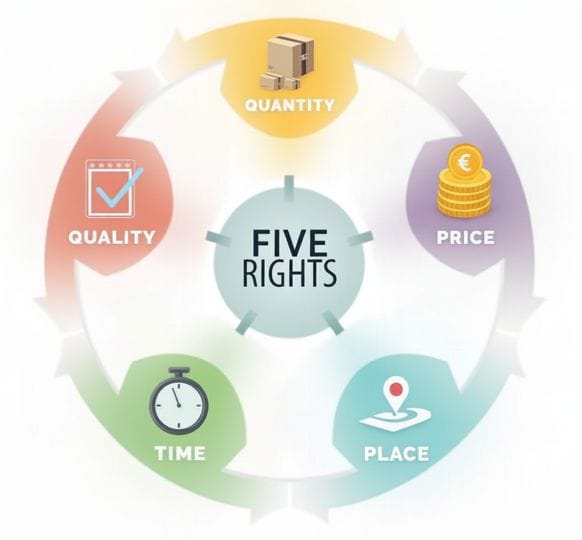
Procurement professionals typically focus on the ”five rights”: securing the right quality, quantity, price, time, and place. While this sounds straightforward, the strategic applications are fascinating.
The right quality builds brand strength. The right quantity optimizes cash flow. The right price maximizes profitability. The right time captures market opportunities. The right place ensures supply chain agility.
Smart executives are applying this framework across their entire organization, creating systematic approaches to value creation that compound over time.
The most exciting aspect of strategic procurement is how it unlocks multiple forms of value simultaneously. Progressive organizations are gaining innovation access through supplier partnerships, market intelligence through supply chain visibility, and competitive differentiation through supply chain agility.
The executives who master these concepts make more informed strategic decisions, build stronger partnerships, and create more resilient organizations. They’re turning what many view as operational activities into sources of strategic advantage.
The organizations setting themselves apart are those elevating procurement from a support function to a strategic capability. They’re building procurement teams that drive innovation, anticipate market changes, and create sustainable competitive advantages.
What opportunities do you see for strategic procurement in your organization? How are you leveraging supplier relationships for competitive advantage?